“The Tiny Seed knew that in order to grow, it needed to be dropped in dirt, covered with darkness, and struggle to reach the light” (Sandra Kring)
 There is a lot of ground to cover in the first year of school. As a result, there is a great deal of responsibility for educators to work towards holistic, inclusive, and dynamic Kindergarten programs. Using research-based evidence to inform pedagogy is a powerful process that can validate some existing practices and suggest changes to others. An ongoing process of review and reflection, continues to enhance my understandings of a range aspects, including: working towards a rich and balanced Kindergarten program; utilizing a range of roles in play-based learning activities; and navigating some of the challenges to integrating play in the classroom and beyond.
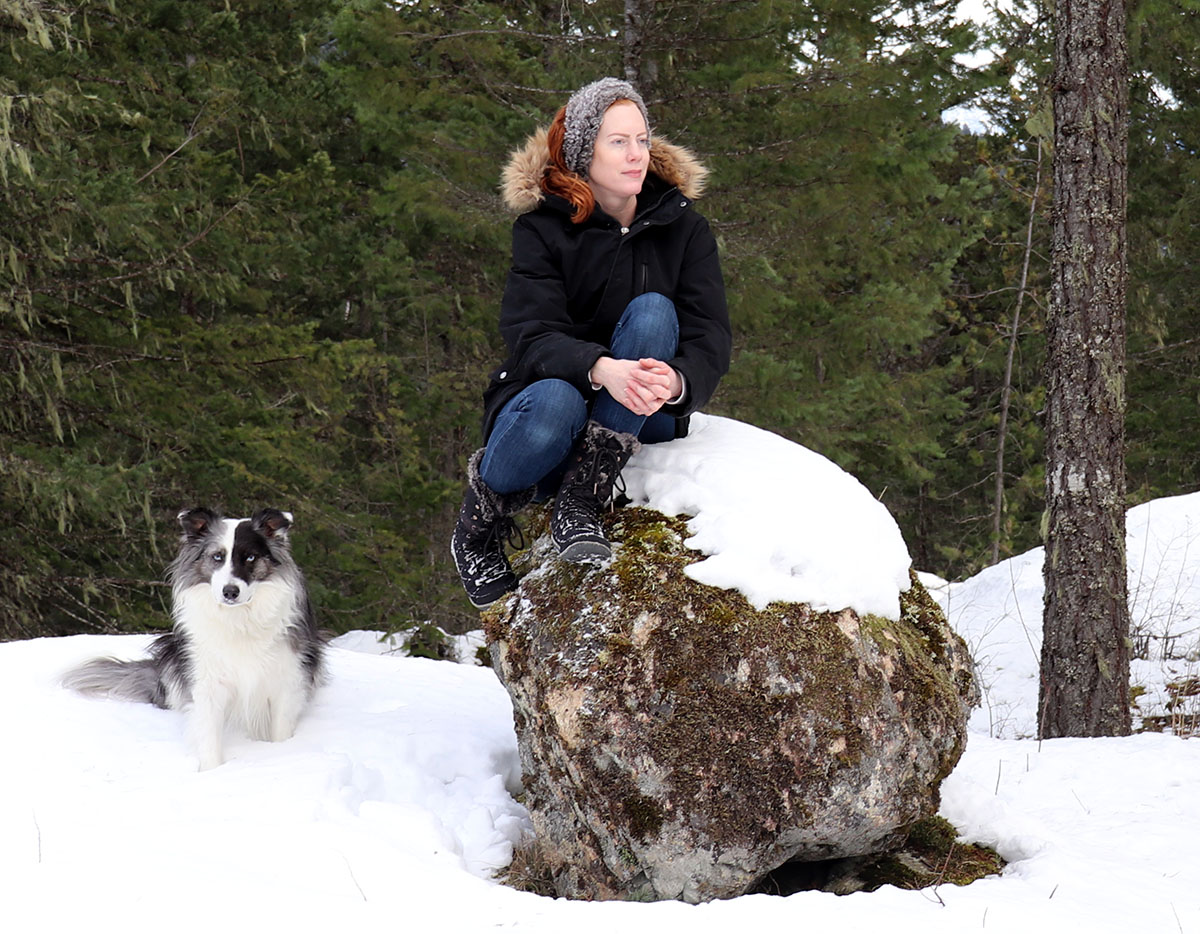 In the future, I will continue to work towards the three goals identified in this project by supporting opportunities for play, learning, and growth that educate, engage, and empower all of my students, their families, and other educational partners. Moving forward, this includes Goal 1, continuing to develop strategies to incorporate play into my Kindergarten classroom. Goal 2, using play to celebrate complexity and diversity through inclusion. Goal 3, connecting and collaborating with all members of the educational community to inspire leadership, activism, and change.
There is no universal model to program development. Each program should be a collaborative effort of adults and children to meet the unique needs of the class, school, and community. Some ways I aspire to do this include:
- Planning with students to involve them in the learning process
- Planning for students to include their interests and needs
- Connecting, communicating, and collaborating with families to celebrate diverse contexts
- Using student self-reflection and self-assessment as feedback
- Re-evaluating and adapting plans based on strengths and stretches
- Documenting our journeys of growth through images, pedagogical narration, and learning stories
This ongoing process strives towards establishing a joyful, engaging, and authentic learning environment by supporting optimal development and growth during the important early years of a child’s life.
“Growing and changing isn’t always easy, my beautiful friend; transformation never is…[BUT] Know that you are in the process of becoming” (Nikki Banas)
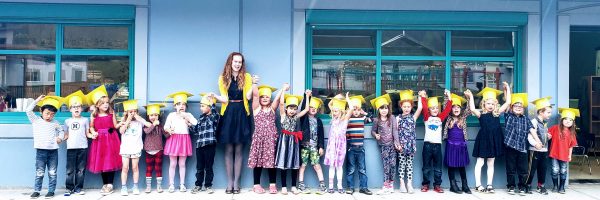
After working through a diverse range of teaching, coaching, and learning experiences, I believe that these challenges offer opportunities for growth by developing ‘new conditions of possibilities’ (Foucault, 1978; 2000) by exploring new ways of knowing, being, and doing within early childhood education. I am passionate about the ongoing process of growth through ‘becoming’ (Berger, 2015) and ‘becoming worldly with’ (Giugni, 2011) This process includes “…pushing ourselves to be, think, and do beyond what we consider knowable and comfortable” (Giugni, p. 17). This is a “…manifesto for change; an openness to contradiction, struggle, and difference; a critique of existing early childhood practices; an opportunity for hope (Giugni, p. 17). I am excited about continuing to evolve my practices in my current teaching role as a Kindergarten teacher and look forward to new possibilities for learning and leadership in the future.
References
Banas, N. (n.d). Retrieved March 1, 2021, from www.http://nikkibanas.com
Berger, I (2016;2015;). Pedagogical narrations and leadership in early childhood education as
thinking in moments of not knowing. Journal of Childhood Studies (Prospect Bay),
40(1).
Foucault, M. (2000/1978) ‘Governmentaility’ in J.D. Faubion (Ed.) Power, the Essential Works
of Foucault 1954-1984, 3, London: The Penguin Press.
Giugni, M. (2011). ‘Becoming worldly with: ’An encounter with the Early Years
Learning Framework. Contemporary Issues in Early Childhood, 12(1), 11-27.
Kring, S. (n.d). Retrieved on March 1, 2021, from https://www.goodreads.com/quotes/684737-the-tiny-
seed-knew-that-in-order-to-grow-it